Oct 13, 2026
Private Label Packaging Artwork Timeline for Bags, Boxes and Wrapping Paper
Learn how to plan artwork approval, logo printing, sampling and delivery timing for private label packaging programs covering paper gift bags, gift paper boxes and gift wrapping paper.
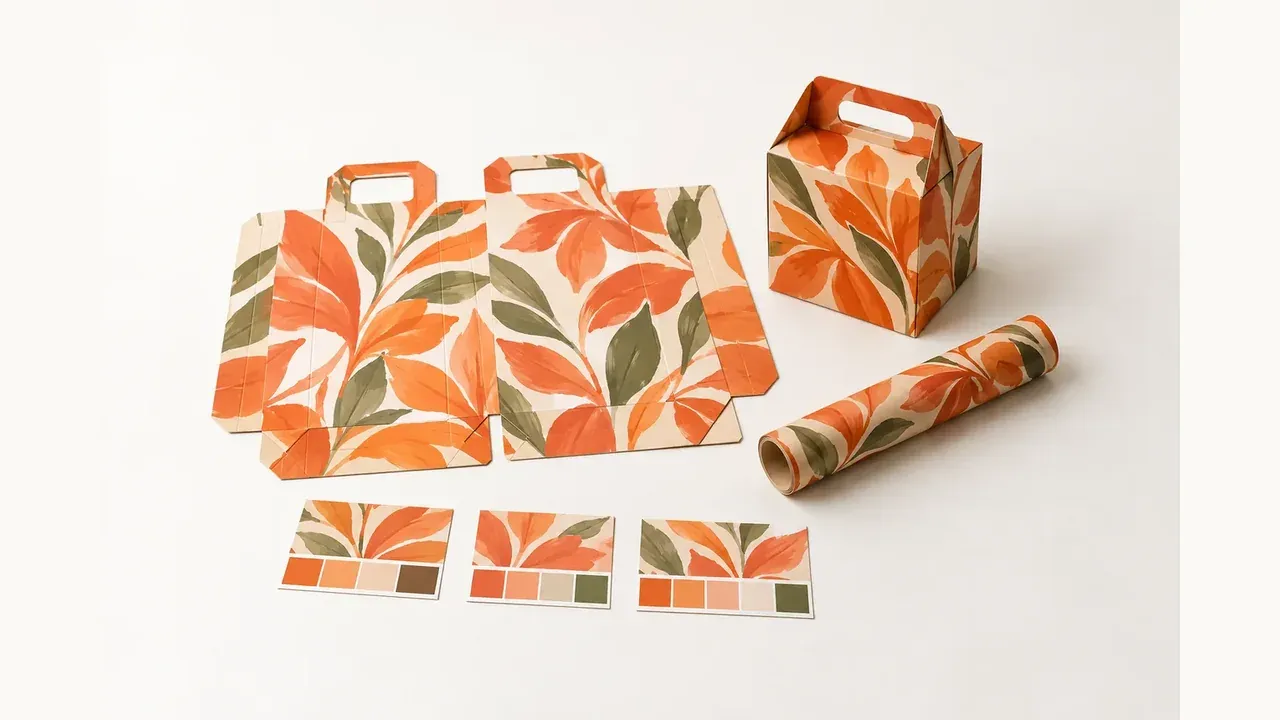
Private label packaging projects often fail on timing before they fail on price. Buyers may have the logo ready, but the packaging program still slows down when bag artwork, box layout and wrapping paper repeat files are approved in different rounds without one shared timeline.
This is common when one supplier is making paper gift bags, gift paper boxes and gift wrapping paper for the same launch. Each product uses different templates and production routes, yet the brand still expects the logo color, tone and delivery date to stay aligned.
Why one artwork plan is better than three separate approvals
When each packaging item is approved separately, small design changes can spread across the project. A logo width changed on the paper gift bag may require repositioning on the gift paper box. A Pantone adjustment made for the box may also affect the wrapping paper repeat file.
That is why sourcing teams should manage private label packaging as one approval program. The supplier should receive the full product list first, then confirm which design files can be shared and which files need separate dielines or print repeats.
Which files buyers should prepare before quotation
A faster quotation starts with usable input files, not only mockup images. For most custom packaging projects, buyers should prepare:
• editable logo file in AI, PDF or EPS
• color references such as Pantone numbers or printed samples
• size list for each bag, box and wrapping paper format
• barcode, warning label or retail sleeve requirement if needed
• target quantity by SKU and by design
If the artwork is incomplete, the supplier can still quote a range, but sample approval and delivery timing will remain less stable.
How product differences change the artwork sequence
Paper gift bags, gift paper boxes and gift wrapping paper do not move through the same pre-production sequence. Bags usually need size confirmation, handle placement and logo position checks. Boxes need dieline review, insert fit and finish alignment. Wrapping paper needs repeat layout, roll or sheet format and packing direction confirmation.
A practical approval order is:
1. confirm product specs and quantity split
2. issue dielines and repeat templates
3. approve logo placement and print method
4. review physical samples or digital proofs
5. lock mass-production files and packing marks
This reduces revision loops that can push back MOQ commitment or shipment booking.
How logo printing choices affect timeline risk
Logo printing is often the shared visual element across the whole packaging set, but the same logo may behave differently on each surface. Foil stamping on a rigid box, offset printing on a paper gift bag and pattern printing on wrapping paper need different setup checks even when they use the same brand asset.
Buyers should ask the supplier which approval points are common across all items and which must be signed off separately. That prevents a false assumption that one approved logo file automatically completes the full private label program.
What usually causes delivery delays in coordinated packaging programs
The biggest delays are usually not factory capacity problems. More often they come from staggered approvals, unclear color targets or late retail packing decisions. If the bags are approved first but the box insert is still changing, the supplier may not want to commit the full delivery window.
Before mass production starts, buyers should confirm whether the timeline already includes:
• artwork cleanup and file checking
• dieline or repeat template revision
• sampling for each product group
• final color approval
• outer carton marks and assortment labels
• export booking for one combined shipment or split shipment
This is especially important for seasonal promotions and private label launches tied to store opening dates.
When buyers should simplify the first launch
If the brand is launching on a short calendar, it can be smarter to standardize some packaging details for the first order. Using one logo color direction, one shared finish family or fewer artwork versions often protects both MOQ and delivery better than chasing too many SKU variations at once.
After the first launch, the buyer can widen the packaging program with more finishes, seasonal patterns or market-specific labels once the core approval process is proven.
Quotation Checklist
• Product list covering paper gift bags, gift paper boxes and wrapping paper
• Quantity split by product, size and artwork version
• Editable logo files and color references
• Dieline needs, repeat-size needs and print-area notes
• Logo printing method for each product type
• Surface finish, handle, insert or pack-format requirements
• Sample approval deadline and target shipment window
• Destination market, barcode rules and carton-marking needs
• Whether one combined shipment or staged delivery is preferred